
The 4 Cs of Diamonds, Explained
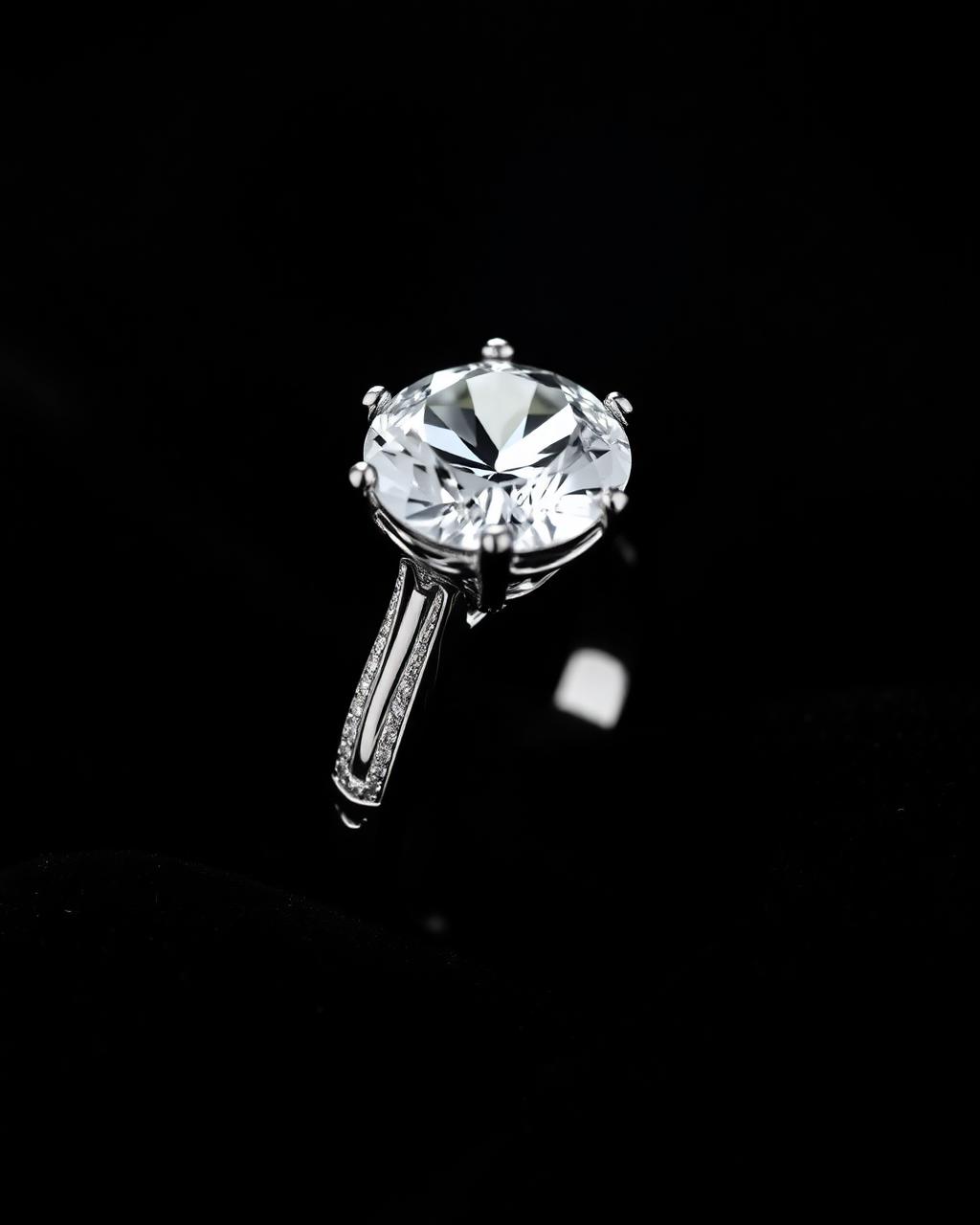
Almost everything about a diamond's beauty and its price comes down to four characteristics — the "4 Cs": cut, colour, clarity and carat. Understanding them is the single most useful thing you can do before choosing a diamond, because it lets you spend where it shows and save where it does not.
Cut — the one that matters most
Cut is not the shape of a diamond; it is how precisely its facets are proportioned to return light. A well-cut diamond comes alive with brilliance and fire; a poorly cut one looks dull even when everything else about it is excellent. Of the four, cut has the greatest effect on how a diamond actually looks to the eye — so it is the last place to compromise.
Colour — how white, or how warm
Diamond colour is graded from D (completely colourless) down through the alphabet toward a faint warm tint. The steps between adjacent grades are subtle: in most settings a near-colourless stone (around G to H) looks indistinguishable from a flawless-colour D to the naked eye, which often makes it a sensible place to save. Fancy colour diamonds — vivid yellows, pinks and blues — are rare exceptions, graded on a separate scale driven by the intensity of their colour.
Clarity — its natural fingerprint
Natural diamonds form with tiny internal characteristics called inclusions. Clarity grades them from Flawless down to Included. Crucially, many stones graded VS or SI are "eye-clean" — their inclusions are invisible without magnification — so paying for a Flawless grade is often unnecessary unless you want it for its own sake.
Carat — its weight, not its size
Carat measures weight, not size, though the two are related. Prices tend to jump at round milestones — 1.00ct, 2.00ct — so a stone that sits just under a landmark weight can offer better value while looking almost identical on the finger. Carat is best balanced against the other three Cs rather than chased on its own.
How the 4 Cs Work Together
No single C makes a diamond — they trade off against one another. A larger stone with a slightly lower colour grade, or a smaller one cut to perfection, can each be the right answer depending on what you value most. The real skill is balancing the four for the look you want and the budget you have.
Why Certification Matters
A diamond's 4 Cs should be independently verified, never taken on a seller's word alone. A reputable stone comes with a grading report from a respected laboratory such as GIA or IGI. It is the same standard we hold every stone to — see our Diamond Standards.
Continue reading: Lab-Grown vs Natural Diamonds →
Ready to choose a stone? Begin your bespoke journey, or explore finished pieces in our engagement ring gallery.
Common Questions About Kundan
- What are the 4 Cs of a diamond?
- The 4 Cs are cut, colour, clarity and carat — the four characteristics that together determine a diamond's appearance and price. Cut is how well it returns light, colour is how white it is, clarity is its natural inclusions, and carat is its weight.
- Which of the 4 Cs is most important?
- Cut, by a clear margin. It has the biggest effect on how a diamond actually looks — a well-cut stone sparkles, while a poorly cut one looks dull even with excellent colour and clarity. It is the last of the four to compromise on.
- What diamond colour grade should I choose?
- In most settings a near-colourless grade (around G to H) looks indistinguishable from a top D grade to the naked eye, so it is often a smart place to save. The exception is fancy colour diamonds, which are valued precisely for the intensity of their colour.
- Do I need a flawless diamond?
- Usually not. Many diamonds graded VS or SI are “eye-clean” — their inclusions are invisible without magnification — so a Flawless clarity grade is rarely necessary unless you want it for its own sake. What matters is that the stone looks clean to the eye.
- Is a bigger carat always better?
- Not necessarily. Carat is weight, not size, and prices jump at round weights like 1.00ct, so a stone just under a milestone can look almost identical for less. Carat is best balanced against cut, colour and clarity rather than maximised on its own.
- Why does a diamond need a certificate?
- A grading report from a respected lab (such as GIA or IGI) independently verifies the 4 Cs, so you are not relying on the seller's word. For any significant diamond, that third-party verification is what lets you judge quality and value properly.