
Lab-Grown vs Natural Diamonds: The Real Difference
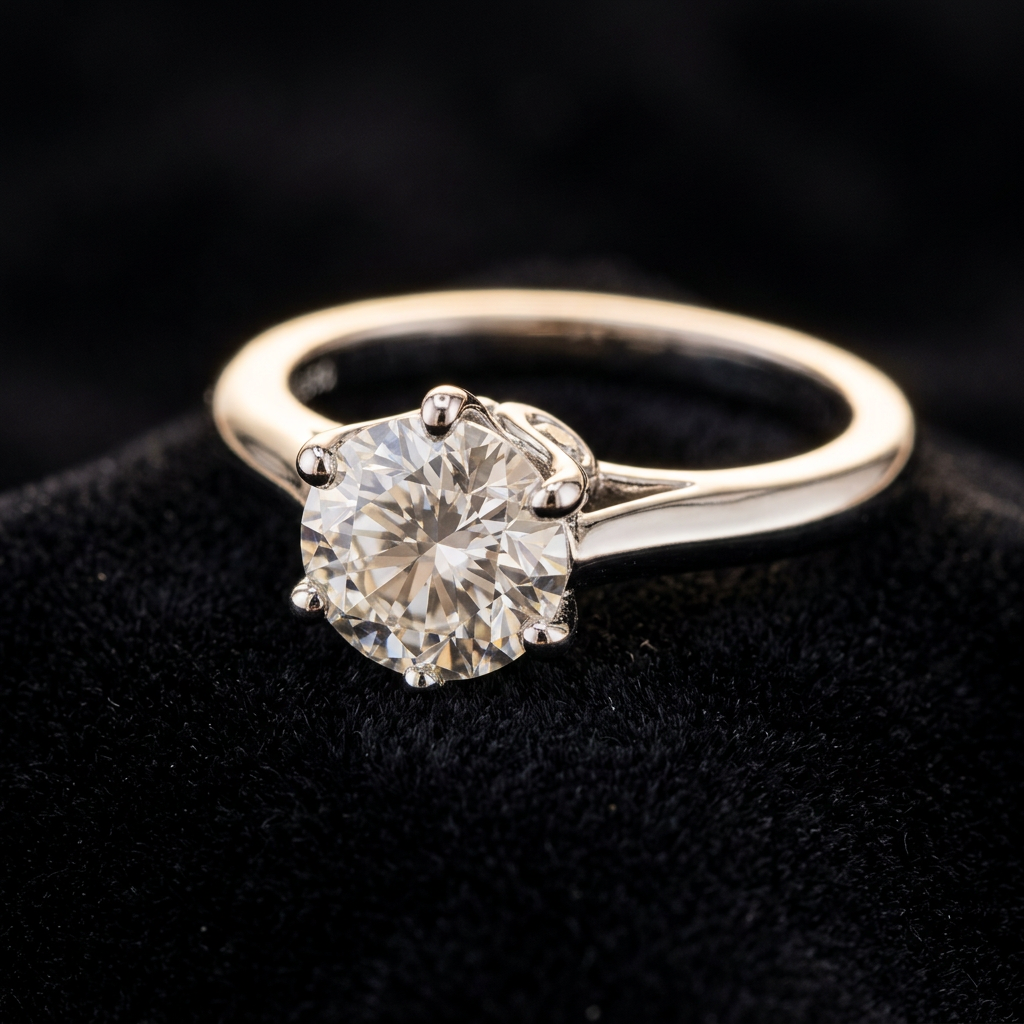
Lab-grown and natural diamonds are, chemically and optically, the same material — both are genuine diamonds. The differences that matter are not about sparkle; they are about how each is formed, how rare it is, and what it is worth over time. Here is an honest account before you buy.
They Are Both Real Diamonds
A lab-grown diamond is real diamond, grown in a matter of weeks in a laboratory rather than over billions of years in the earth. Chemically, physically and optically it is identical to a natural diamond — the difference is origin, not substance. (Both are entirely distinct from simulants such as cubic zirconia or moissanite, which are not diamond at all.)
The Real Difference: Rarity and Value
This is where the two genuinely diverge. Natural diamonds are finite and ancient; lab-grown diamonds can be produced to order. That difference in rarity drives almost everything else:
- Price. Lab-grown diamonds typically cost significantly less than a comparable natural stone — often a fraction of the price for the same size and quality.
- Long-term value. Natural diamonds have historically held their value in a way lab-grown generally has not. As production has scaled, lab-grown prices have fallen, and the resale market for them remains limited.
- Rarity and meaning. Part of a natural diamond's value is its scarcity and its age — the sense of owning something the earth formed once and will not again. That is not something a laboratory can reproduce.
How to Tell Them Apart
You cannot tell by eye — the two are identical to look at. They are distinguished only with specialised equipment, and a reputable grading laboratory identifies and clearly labels a lab-grown stone on its report. As with everything in diamonds, the point is disclosure: you should always be told plainly which one you are buying.
Which Should You Choose?
Neither is "better" — it depends on what you want from the stone:
- Lab-grown makes sense when maximising size or sparkle for a given budget matters most, and long-term value and rarity are not priorities.
- Natural makes sense for an heirloom — a piece meant to hold its value and be passed down, where the diamond's rarity and permanence are part of the point.
The rare, certified natural stones we work with — including Type IIa and fancy colour diamonds — are chosen deliberately, for pieces built to last generations. You can read how we hold every stone to that standard in our Diamond Standards.
What to Verify, Either Way
Whichever you choose, insist on the same things: a grading report from a respected laboratory, clear disclosure of whether the stone is natural or lab-grown, and the full 4 Cs. An informed choice, honestly disclosed, is a good choice regardless of which you pick.
Continue reading: Bespoke Diamond Engagement Rings in Mumbai →
Begin your bespoke journey or message us to discuss the right stone for your piece.
Common Questions About Kundan
- Are lab-grown diamonds real diamonds?
- Yes. A lab-grown diamond is genuine diamond — chemically, physically and optically identical to a natural one, just grown in a laboratory rather than formed in the earth. It is completely different from a simulant like cubic zirconia or moissanite, which is not diamond at all.
- What is the difference between lab-grown and natural diamonds?
- The material is the same; the difference is origin, rarity and value. Natural diamonds are finite and ancient, while lab-grown can be produced to order — which is why lab-grown costs much less and natural stones hold their value and rarity better.
- Are lab-grown diamonds cheaper?
- Yes, typically a fraction of the price of a comparable natural stone for the same size and quality. As production has scaled, lab-grown prices have continued to fall, which is part of why their long-term value differs from natural diamonds.
- Do lab-grown diamonds hold their value?
- Generally not as well as natural diamonds. Lab-grown prices have fallen as supply has grown, and the resale market is limited. Natural diamonds have historically held value far better, which matters most for an heirloom piece.
- Can you tell a lab-grown diamond from a natural one?
- Not by eye — they are identical to look at. They are distinguished only with specialised gemological equipment, and a reputable grading report identifies and labels a lab-grown stone clearly. Always insist on that disclosure.
- Which is better, lab-grown or natural?
- Neither is better outright. Lab-grown suits maximising size or sparkle on a budget; natural suits an heirloom where rarity, permanence and long-term value matter. The right answer depends on what you want from the stone.