
A Guide to Diamond Shapes
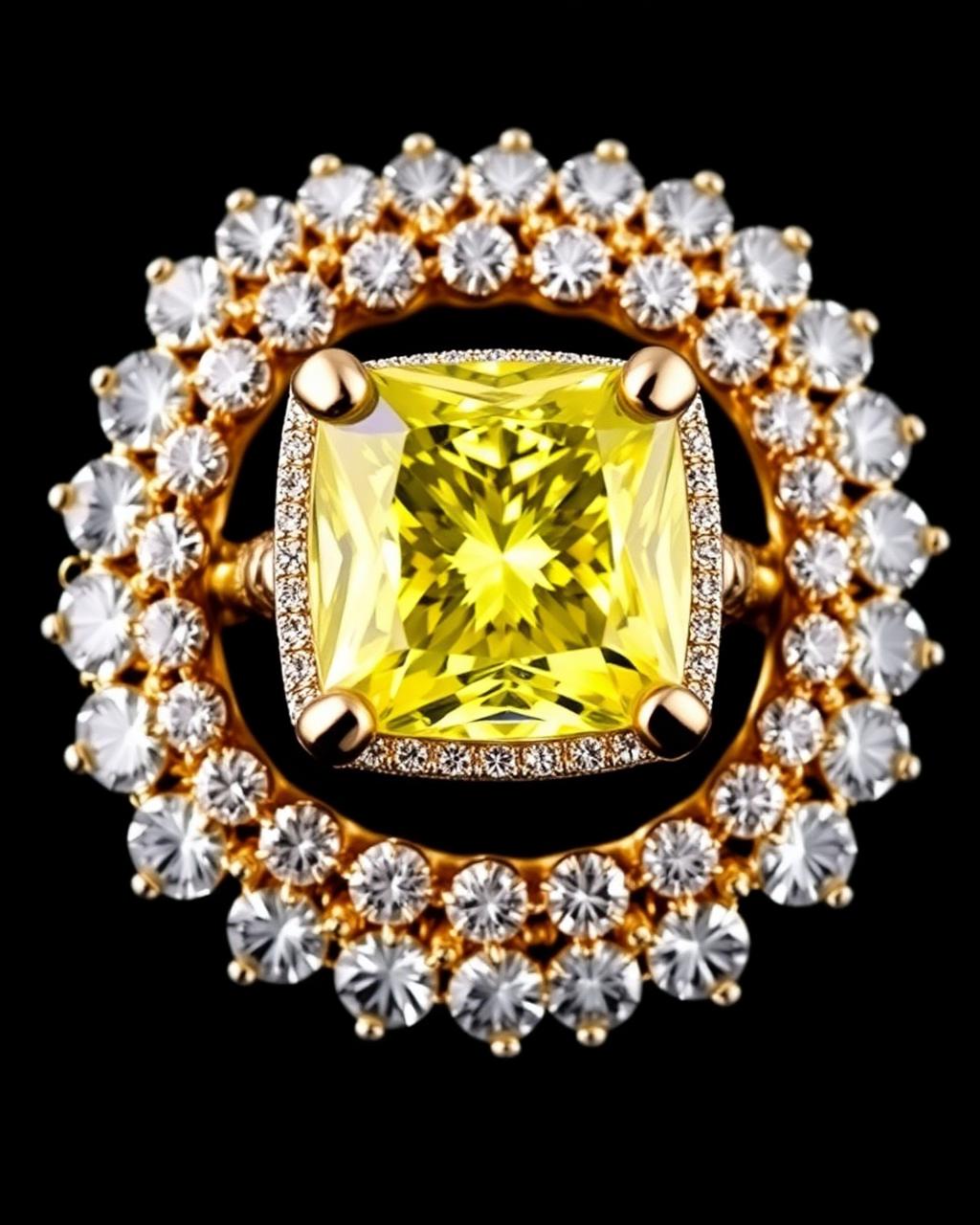
A diamond's shape is the first thing anyone notices about a ring, and it sets the whole character of the piece. Shape is not the same as cut — cut is how well a stone is faceted to return light (see the 4 Cs); shape is its outline: round, oval, emerald and so on. Here is how the main ones differ.
Round Brilliant
The most popular and the most brilliant of all — fifty-seven facets engineered for maximum sparkle. A timeless, safe choice, and because it returns the most light it is the most forgiving of slightly lower colour and clarity. It is also the most expensive per carat, since cutting it wastes the most of the rough stone.
Oval
A round brilliant's fire in an elongated outline. Flattering on the hand — it lengthens the finger — and it looks larger than a round of the same carat. A popular modern choice.
Emerald Cut
Rectangular, with long stepped facets and an open "hall of mirrors" table rather than sparkle. Elegant and architectural; because that open table hides nothing, it rewards higher colour and clarity.
Cushion
A soft square-to-rectangular shape with rounded corners — vintage romance combined with brilliant-cut fire. Warm and classic.
Pear, Princess and the Rest
A pear is a teardrop — distinctive and elongating, worn point toward the hand. A princess is a square brilliant — sharp and modern, usually less per carat than a round. Marquise, radiant, Asscher and heart shapes each carry their own character, from maximum apparent size to vintage geometry.
How to Choose a Shape
There is no "best" shape, only the one that suits the wearer:
- Style — classic (round, cushion), modern (oval, emerald, princess), or distinctive (pear, marquise).
- The hand — elongated shapes (oval, pear, marquise) flatter and lengthen the finger.
- Budget — round is dearest per carat; oval, cushion and princess can look larger for less.
- Grades — step-cuts like emerald and Asscher show colour and inclusions more, so they want higher grades.
The shape is where a bespoke ring really begins — chosen for the person, not pulled from a catalogue.
Continue reading: How to Choose an Engagement Ring →
Begin your bespoke journey, or see shapes brought to life in our engagement ring gallery.
Common Questions About Kundan
- What is the difference between a diamond's shape and its cut?
- Shape is the outline of the stone — round, oval, emerald and so on. Cut is how well that stone is faceted and proportioned to return light. Two diamonds can share a shape but differ greatly in cut quality, which is what makes one sparkle more than another.
- Which diamond shape is the most popular?
- The round brilliant, by a wide margin. Its fifty-seven facets are engineered for maximum sparkle, making it timeless and the most forgiving of slightly lower colour and clarity — though it is also the most expensive per carat.
- Which diamond shape looks the biggest?
- Elongated shapes — oval, pear and marquise — look larger than a round or square of the same carat, because their shape spreads the weight across a bigger visible surface and lengthens the finger.
- Which diamond shape is the most affordable?
- Per carat, fancy shapes such as oval, cushion and princess usually cost less than a round brilliant, because they waste less of the rough stone when cut. They can also look larger for the same weight.
- Which diamond shapes need a higher clarity grade?
- Step-cut shapes with large open tables — emerald and Asscher especially — hide less, so inclusions and colour show more readily. They reward higher clarity and colour grades than a brilliant-cut shape would need.
- How do I choose the right diamond shape?
- Match it to the wearer: their style (classic, modern or distinctive), the look of their hand (elongated shapes flatter), the budget, and the grades each shape needs. There is no best shape — only the one that suits the person.