
How to Choose an Engagement Ring
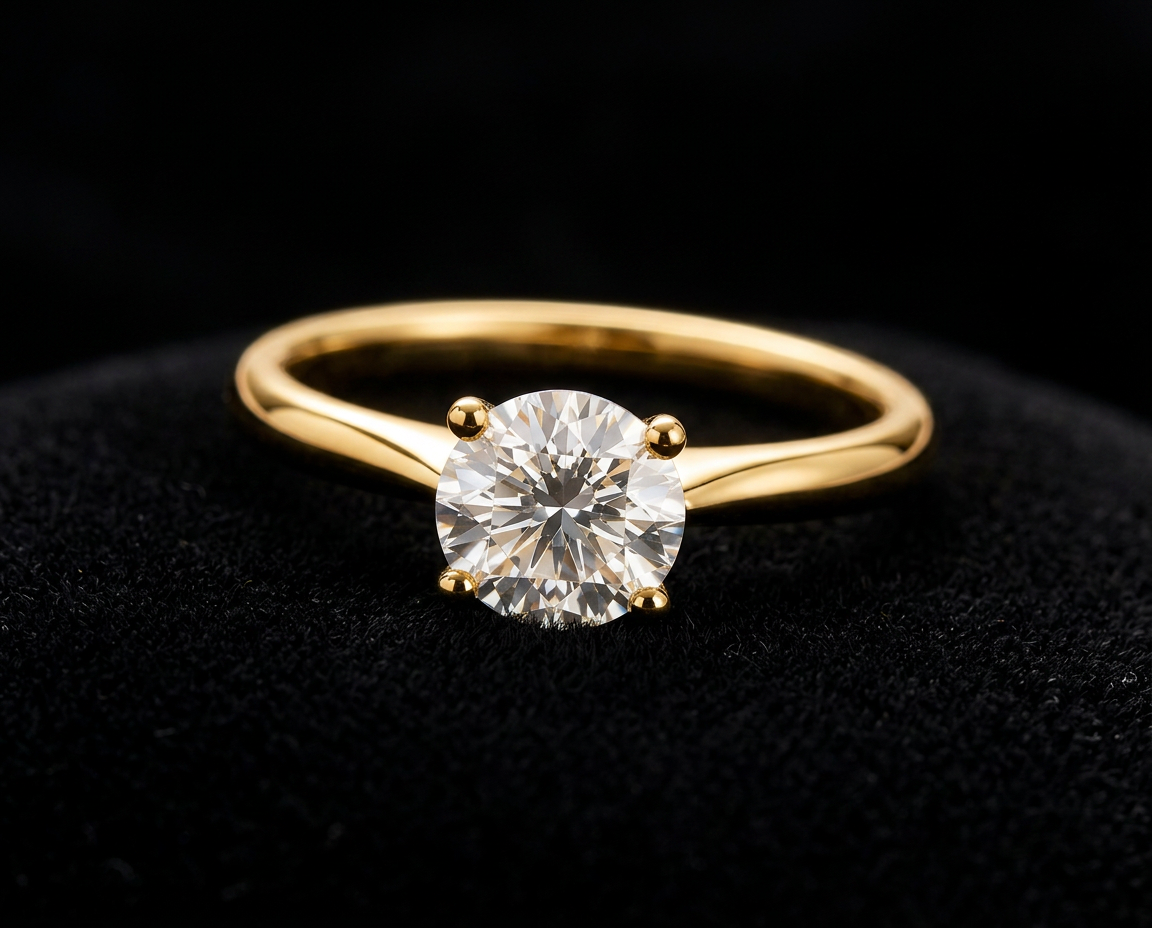
Choosing an engagement ring can feel daunting — it is a significant purchase, often a surprise, and loaded with meaning. Broken into steps, it becomes far more manageable. Here is how to approach it.
Start With a Budget
Decide a comfortable figure first, and let everything else work within it. The old "three months' salary" idea is marketing, not a rule — spend what is right for you. A clear budget lets you balance the diamond's 4 Cs sensibly rather than overspending on any one of them.
Learn Their Taste
The ring should suit the wearer, not the buyer. If it is a surprise, look at the jewellery they already wear — metal colour (yellow, white or rose), classic versus modern, understated versus statement — and ask close friends or family discreetly.
Choose the Diamond
The centre stone is the heart of the ring. You will decide:
- Shape — our guide to diamond shapes covers how each one looks and wears.
- The 4 Cs — balance cut, colour, clarity and carat for the look and the budget.
- Natural or lab-grown — rarity and long-term value, versus size for a given budget.
Whatever you choose, insist on an independent grading report.
Choose the Setting and Metal
The setting frames the stone and changes how large it looks and how it wears day to day:
- Solitaire — a single stone; timeless and unfussy.
- Halo — small diamonds ringing the centre, adding sparkle and apparent size.
- Three-stone (trilogy) — past, present and future.
- Metal — platinum (durable, white, premium) or gold (yellow, white or rose), chosen for their skin tone and taste.
Get the Ring Size Right
Discreetly borrow a ring they already wear on the right finger, or ask family. If in doubt, err slightly larger — sizing up is harder than sizing down, and a surprise proposal can always be followed by a proper fitting.
Verify Before You Buy
Insist on a grading report from a respected laboratory, clear disclosure of whether the stone is natural or lab-grown, and the full 4 Cs in writing. It is the same standard we hold every stone to — see our Diamond Standards.
Ready-Made or Bespoke?
A ready ring is quicker; a bespoke ring is designed around your diamond and their taste, and lets you set a family stone into something new. For a once-in-a-lifetime piece, many people prefer to design it rather than choose from a case.
To design a ring around the person and the stone you have in mind, begin your bespoke journey or message us to arrange a private consultation.
Common Questions About Kundan
- How much should I spend on an engagement ring?
- Spend what is comfortable for you — the “three months' salary” idea is marketing, not a rule. Set a budget first, then balance the diamond's 4 Cs within it rather than overspending on any single one.
- How do I choose a ring if it's a surprise?
- Study the jewellery they already wear — metal colour, and whether their taste runs classic or modern, understated or statement — and ask close friends or family discreetly. If you are unsure, a bespoke design can be adjusted together afterwards.
- What should I look for in the diamond?
- Decide the shape, balance the 4 Cs (cut, colour, clarity, carat) for the look and budget, and choose natural or lab-grown. Above all, insist on an independent grading report so the quality is verified, not taken on trust.
- What setting should I choose?
- A solitaire is timeless; a halo adds sparkle and apparent size; a three-stone trilogy carries its own meaning. Choose the metal — platinum or yellow, white or rose gold — to suit the wearer's taste and skin tone, and how the ring frames the stone.
- How do I find out the ring size?
- Discreetly borrow a ring they wear on the right finger, or ask family. If in doubt, size slightly larger — sizing up is harder than down — and follow up with a proper fitting after the proposal.
- Should I buy a ready-made or bespoke engagement ring?
- A ready ring is faster; a bespoke ring is designed around your specific diamond and the wearer's taste, and lets you reset a family stone into something new. For a once-in-a-lifetime piece, many prefer to design it rather than pick from a case.